Self-Bill Invoicing for Waste Collectors: The Complete UK Guide
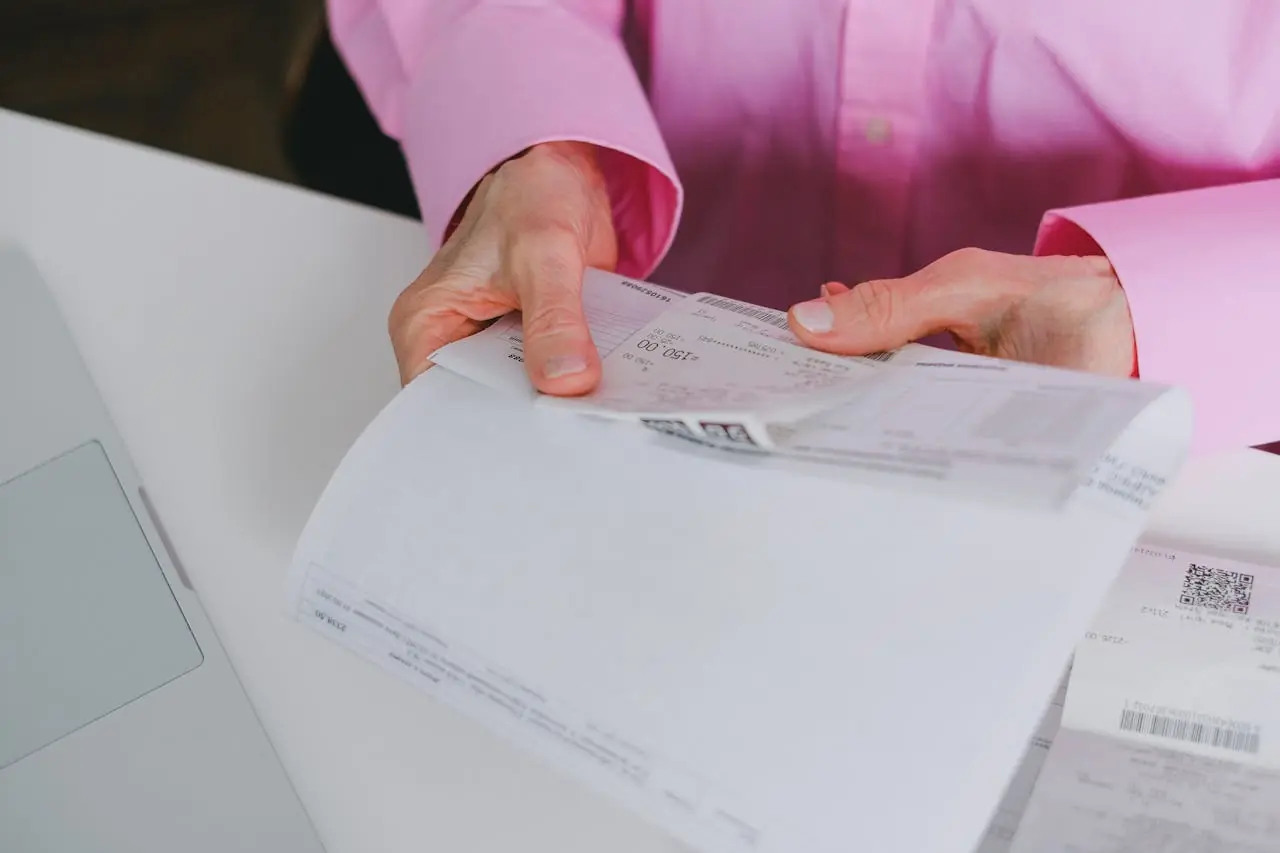
You've just collected 850kg of cardboard from a warehouse. Material's loaded, waste transfer note signed, and you've agreed £75 per tonne. Two weeks later, you're still chasing the customer for their purchase invoice so you can process payment and reclaim VAT.
The problem? They don't have an accounts team. The warehouse manager who signed your waste transfer note has never issued a purchase invoice in their life. Your cash flow is frozen, your VAT reclaim sits in limbo, and you're spending more time on admin than collecting waste.
This is why self bill invoicing waste exists. Instead of waiting weeks for suppliers to invoice you for recyclables purchased, you create the invoice yourself, send them a copy, and process payment immediately. It's HMRC-approved, legally compliant when done correctly, and often the only practical way to handle high-volume material purchases from customers who were never set up to sell.
But compliance isn't optional. Miss the written agreement requirement and every VAT reclaim becomes invalid. Forget mandatory invoice markings and you'll trigger HMRC scrutiny. This guide covers everything UK waste operators need to know: what HMRC requires before you start, how to handle VAT correctly, and how modern systems eliminate manual administration entirely.
What Is Self-Bill Invoicing in Waste Collection?
Self-bill invoicing (also called self-billing or reverse invoicing) is an HMRC-approved arrangement where you—the buyer—create purchase invoices on behalf of your suppliers instead of receiving invoices from them.
In waste collection, you typically operate in both directions with the same customer:
Service invoice (you're the supplier): You charge £195 for commercial waste collection
Self-billed purchase invoice (you're the buyer): You buy their 680kg of mixed cardboard and create the invoice yourself, showing them as the supplier
The invoice you create appears in your purchase ledger exactly as if they'd sent it. You send them a copy for their records and VAT accounting. They don't issue their own invoice for this transaction—that's the entire point.
For waste operators buying cardboard, metals, plastics, glass, used cooking oil, or other recyclable materials from dozens of sites weekly, this eliminates impossible delays waiting for customers to invoice you for materials they never intended to sell.
Why Self-Billing Matters for Waste Operators
Traditional supplier invoicing collapses when you're purchasing recyclable materials at scale. Here's why self bill invoicing waste purchases has become standard practice across the UK waste sector.
High-Volume Daily Material Purchases
Collecting from 60 sites daily could mean 60 material purchase transactions. Waiting for each customer to raise purchase invoices delays payments for months, freezes VAT reclaims indefinitely, and creates unmanageable administration backlogs.
Self-billing lets you generate invoices immediately after collection, match them to waste transfer notes, and maintain complete audit trails without depending on customers who lack invoicing capability.
Customers Without Supplier Infrastructure
Most of your customers are buyers of waste collection services. When you also purchase their recyclables, they suddenly need to become suppliers—but they typically have no accounts function, no invoicing software, and no understanding of how to raise purchase invoices correctly.
Construction sites, retail units, manufacturing facilities—most have never issued a purchase invoice and aren't equipped to start. Self-billing solves this by letting you control the entire invoicing process for material purchases.
Dual Commercial Relationships on Single Accounts
A typical commercial waste account might include:
- You charging for general waste collection (you're the supplier)
- You buying their cardboard (they're the supplier, you self-bill)
- You charging for clinical waste disposal (you're the supplier)
- You buying their scrap metal (they're the supplier, you self-bill)
Expecting these customers to raise material purchase invoices alongside receiving service invoices from you creates confusion and processing delays. Self-billing keeps it clean: you handle all invoicing in both directions.
Digital Compliance and Audit Trails
As regulatory requirements strengthen, the connection between material movements and financial records becomes essential. Self-billed invoices provide the audit trail proving when materials changed hands, who supplied them, under what waste classification, and for what commercial value—critical for regulatory compliance.
For permitted and licensed receiving sites in England and Wales, digital waste tracking becomes mandatory from 1 October 2026. Collectors, carriers, brokers and dealers face their own digital tracking requirements from October 2027. Accurate self-billing records support compliance at every stage.
HMRC Requirements for Self-Billing: The Non-Negotiables
Self-billing isn't automatic. HMRC has explicit rules under VAT Notice 700/62, and non-compliance invalidates your VAT treatment entirely. Understanding these requirements is fundamental to compliant self bill invoicing waste operations.
1. Written Self-Billing Agreements Are Mandatory
You must have a signed, written self-billing agreement with every supplier before issuing any self-billed invoices on their behalf. This isn't optional—it's a legal requirement under HMRC regulations. Without it, you cannot reclaim input VAT on materials purchased.
The agreement must specify:
- You will issue invoices for supplies they make to you
- They will not issue their own invoices for these transactions
- How VAT will be calculated and accounted for
- Invoice frequency, format, and delivery method
- That they'll receive a copy of every self-billed invoice
Practical implementation: Use a standard template reviewed by your accountant. Get it signed during customer onboarding, before collecting any materials involving payment. Many operators include self-billing clauses in standard account terms for recyclable material purchases.
2. Correct VAT Treatment on Every Invoice
Self-billed invoices must show VAT exactly as standard supplier invoices would:
- VAT-registered suppliers: Show VAT at the standard rate (20%)
- Non-VAT-registered suppliers: Show zero VAT, clearly marked "supplier not VAT registered"
- Invoice marking: Every invoice must be prominently marked "SELF-BILLED INVOICE"
The VAT you show is input VAT you reclaim (if VAT-registered) and output VAT your supplier must declare. Incorrect VAT treatment creates mismatches that trigger HMRC investigations for both parties.
3. Supplier Copies Must Be Sent
You must send your supplier a copy of every self-billed invoice you create. They need it to reconcile payments, account for output VAT, and maintain accurate financial records. Many operators generate self-billed invoices for their own accounting systems but forget to send supplier copies—this is a compliance breach that surfaces during HMRC audits.
4. Complete Invoice Information
Every self-billed invoice must include all standard VAT invoice requirements:
- Supplier's business name and full registered address (the customer supplying materials)
- Your business name and full registered address (you're the buyer)
- Unique sequential invoice number
- Invoice date (typically the collection date)
- Clear description of materials with quantities and unit prices
- Total value excluding VAT
- VAT amount (if supplier is VAT registered)
- Total value including VAT
- "SELF-BILLED INVOICE" marked prominently on the document
Missing any mandatory element invalidates the invoice for VAT purposes.
The Practical Self-Billing Workflow
Here's how self bill invoicing waste works operationally, from collection point to payment:
Step 1: Establish Written Agreements First
Before collecting materials from any customer for payment, secure a signed self-billing agreement. No agreement means no valid self-billing under HMRC rules. Make this part of your standard onboarding alongside waste transfer agreements and carrier licence verification.
Step 2: Record Collections with Complete Documentation
Your driver collects 780kg of mixed cardboard from a distribution warehouse. They record:
- Material type and EWC code (15 01 01 for paper and cardboard packaging)
- Verified weight (weighbridge ticket or calibrated vehicle scales)
- Condition assessment and contamination check
- Agreed price (£75/tonne, previously contracted)
- Customer signature on the waste transfer note
This collection record supports the self-billed invoice and creates the audit trail connecting material movement to financial transaction.
Step 3: Generate the Self-Billed Purchase Invoice
Create a purchase invoice showing:
- Supplier details (warehouse business name and registered address)
- Your business details (you're the buyer)
- 780kg mixed cardboard @ £75/tonne = £58.50
- VAT at 20% = £11.70 (if supplier is VAT registered)
- Total = £70.20
- Clearly marked "SELF-BILLED INVOICE"
- Reference to collection date and waste transfer note number
This enters your accounting system as a purchase invoice, creating payment liability to the supplier and input VAT to reclaim.
Step 4: Send Copy to Supplier Immediately
Email or post the self-billed invoice copy to your supplier. Modern waste collection software automates this step entirely, sending PDF copies the moment invoices are generated.
Step 5: Process Payment
Pay your supplier according to agreed terms (commonly 30 days from invoice date), referencing the self-billed invoice number for reconciliation.
Common Self-Billing Mistakes That Invalidate Invoices
Missing Written Agreements
The most serious mistake: starting self bill invoicing waste purchases without signed agreements in place. Operators assume verbal consent is sufficient, but HMRC is explicit—without written agreements signed before self-billing commences, the invoices aren't valid for VAT purposes.
Fix: Never collect materials for payment without a signed self-billing agreement already on file. Make this mandatory in your onboarding checklist.
Incorrect VAT on Mixed-Direction Transactions
When the same customer both receives services from you and supplies materials to you, VAT treatment becomes confusing. You charge them for waste collection (output VAT where you're the supplier) and buy their cardboard (input VAT on the self-billed invoice where you're the buyer).
Fix: Treat each transaction independently. Service invoices show you as supplier with output VAT charged to them. Self-billed purchase invoices show them as supplier with output VAT declared (which becomes your input VAT to reclaim). Never net these off or combine them on statements.
No Audit Trail Linking Collections to Invoices
With digital compliance requirements strengthening, every material movement must be fully traceable. Self-billed invoices that aren't directly linked to collection documentation create compliance gaps you cannot close during regulatory audits.
Fix: Link every self-billed invoice directly to the collection record that generated it—waste transfer note number, collection date, driver ID, vehicle registration, material classification. Modern systems create automatic audit trails from driver collection through to payment processing.
Manual Double-Entry Between Systems
The biggest practical problem: generating self-billed invoices in your waste management system, then manually re-entering identical information into Sage, Xero, or QuickBooks.
For operators processing 70+ collections daily involving material purchases, this means hours of duplicated data entry weekly, constant transcription errors, delayed payment processing, and increased risk of VAT mistakes.
Fix: Integrate your collection system directly with your accounting software. PaperRoute eliminates this entirely—when your driver records a material purchase at collection point, the system automatically generates the self-billed invoice and pushes it directly to Sage, Xero, or QuickBooks as a purchase invoice, with correct supplier accounts, nominal codes, department coding, and VAT treatment. No manual re-entry required.
Self-Billing and Accounting System Integration
The right integration transforms self-billing from an administrative burden into an automated process:
Direct posting to purchase ledgers means self-billed invoices appear in Sage, Xero, or QuickBooks immediately after collection, ready for payment processing without manual data entry.
Automatic supplier account matching ensures every self-billed invoice posts to the correct supplier account with proper nominal codes, department allocation, and VAT treatment—eliminating coding errors that cause reconciliation problems.
Batch processing for end-of-day reconciliation lets you review all self-billed invoices generated during the day before posting to your accounts, catching any pricing errors or VAT treatment issues before they enter your ledgers.
Reviewable VAT records because the system can apply configured VAT treatment, generate invoice fields and keep an audit trail. Supplier VAT status, VAT treatment and invoice accuracy still need human verification.
PaperRoute's accounting integration creates draft self-billed invoices from recorded material purchases and posts approved data to your accounting system, reducing double entry while keeping review and HMRC compliance responsibilities with the business.
Making Self-Bill Invoicing Work for Your Business
Self bill invoicing waste doesn't need to be complicated or time-consuming. With proper HMRC compliance and the right systems in place, it transforms from an administrative burden into a streamlined, automated process that saves hours every week while improving cash flow, VAT reclaim efficiency, and audit readiness.
The key is eliminating double-entry work entirely. If you're creating self-billed invoices in one system and manually re-entering them into accounting software like Sage, you're working twice as hard as necessary for no benefit. Modern waste collection software should handle this automatically—creating self-billed invoices at collection point and pushing them directly to your accounts with zero manual intervention.
With digital compliance requirements strengthening across the sector, now is the time to review your invoicing processes comprehensively. Getting self-billing right doesn't just save administrative time—it builds the foundation for digital compliance and gives you complete visibility over material purchases, movements, ownership transfers, and payment obligations.
If you're spending hours weekly on manual invoice entry, struggling to maintain compliant audit trails for materials purchased from customers, or concerned about meeting regulatory requirements, request an assisted 14-day free trial and test PaperRoute's self-billing workflow with your own operation. The clock starts only when you accept and activate your configured account—no card required, no automatic conversion.