Waste Collection Software for Agricultural Waste Contractors: The Complete UK Compliance Guide
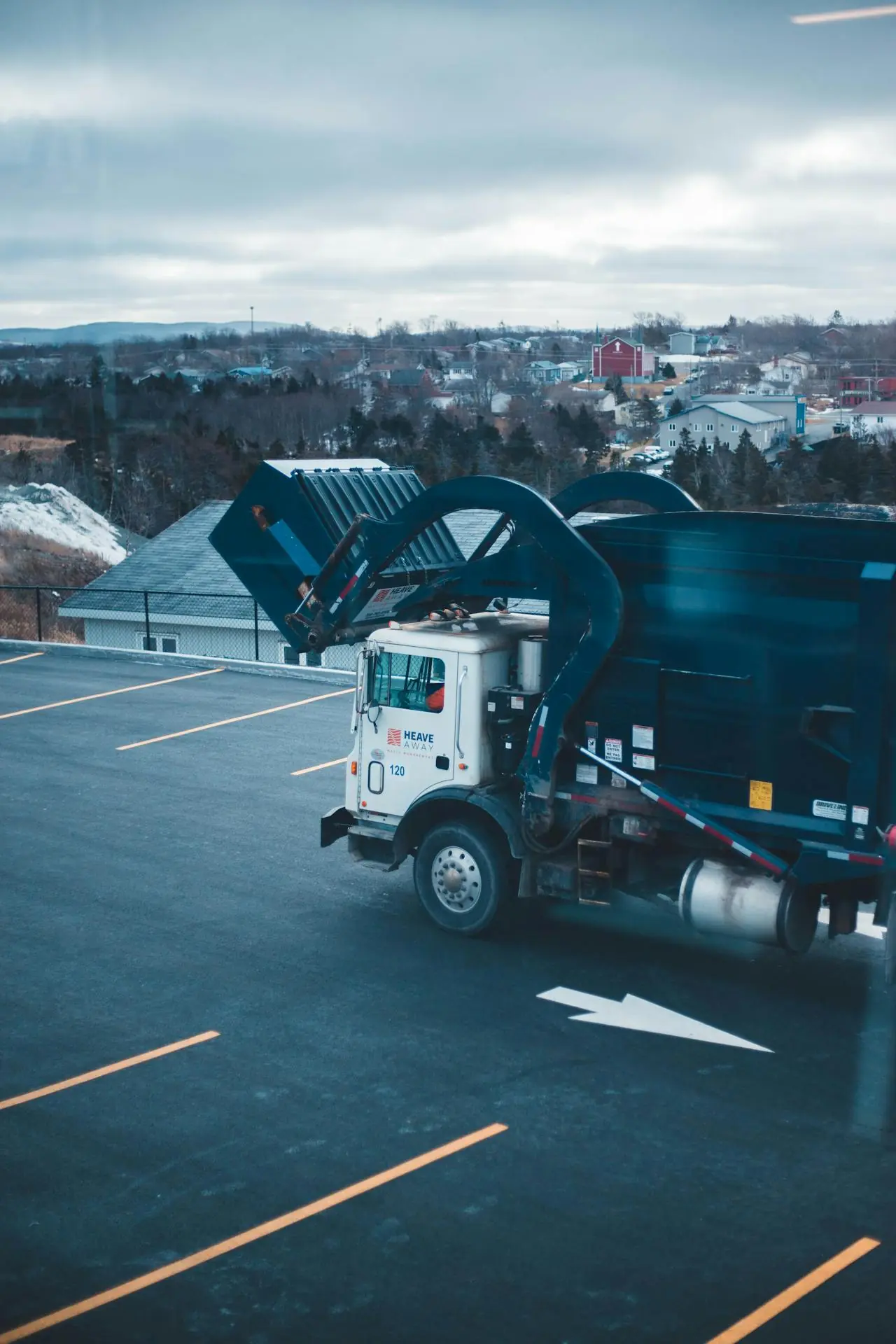
Agricultural waste collection presents unique challenges that standard waste management software rarely addresses. Between seasonal volume spikes during harvest, navigating narrow farm tracks unsuitable for heavy vehicles, and understanding the regulatory grey area between farm waste exemptions and carrier licence requirements, agricultural waste contractors need purpose-built systems.
Digital Waste Tracking starts for permitted and licensed receiving sites in England and Wales on 1 October 2026, while collectors and carriers follow in October 2027. Choosing the right software early gives agricultural waste contractors time to prepare around a highly seasonal business model.
Why Agricultural Waste Collection Is Different
Seasonal Volume Fluctuations
Unlike commercial waste collection where volumes remain relatively predictable year-round, agricultural waste follows farming calendars. Silage wrap collections spike post-harvest. Animal bedding waste increases during winter housing periods. Chemical container collections cluster around spring drilling.
Standard waste management software assumes consistent weekly rounds. Agricultural contractors need systems that can scale capacity planning by season, handle irregular collection frequencies, and track which farms are on "standing order" versus ad-hoc callouts.
Rural Routing Complexity
Farm access presents routing challenges that urban waste collection never encounters. Weight-restricted bridges, single-track roads with limited passing points, seasonal road closures during wet weather, and customers spread across dozens of square miles rather than concentrated streets.
Effective waste collection software for agricultural waste contractors must support manual route adjustments whilst still optimising drive time. You can't blindly follow algorithmic routing when the shortest route includes a bridge your 18-tonne wagon can't cross.
Regulatory Ambiguity
Agricultural waste sits in a complex regulatory space. Some farm waste is exempt from waste carrier licensing under paragraph 31 exemptions. Other materials—particularly hazardous agricultural waste like veterinary medicines, pesticides, or waste oil—require full carrier licensing and digital Waste Transfer Notes.
Contractors working with mixed farm waste need software that can flag which collections require WTNs, track potentially exempt loads separately and keep supporting records easy to review without creating unnecessary paperwork.
DEFRA's Digital Waste Tracking Mandate: What Agricultural Contractors Need to Know
The rollout is phased by role. Permitted and licensed receiving sites in England and Wales begin submitting required information on 1 October 2026. Agricultural waste collectors and carriers enter the next phase in October 2027.
For agricultural waste contractors, this creates three preparation priorities:
1. Structured records for applicable loads. A digital WTN workflow can reduce handwriting and re-keying on farm visits while keeping waste descriptions, classification codes and carrier details together.
2. A clear submission route. Confirm how the information required for your role will reach the Digital Waste Tracking service and how errors or corrections will be handled.
3. Evidence for exemption decisions. If you rely on an exemption, record the basis for that decision and retain the evidence required for your activity. Confirm the applicable rules rather than treating an exemption as automatic.
The practical reality is that paper systems and basic spreadsheets make structured submissions harder. Use the time before October 2027 to map your data, test the workflow and train staff.
Essential Features for Agricultural Waste Software
Route Planning with Rural Constraints
Urban route optimisation focuses on minimising drive time and fuel consumption. Rural agricultural routing adds layers of complexity: vehicle weight restrictions, seasonal access limitations, and the reality that the "shortest" route might include 20 minutes of reversing down a farm track.
The best waste collection software for agricultural waste contractors allows you to set custom routing constraints—flag roads that are inaccessible to certain vehicle types, mark farms with seasonal access issues (muddy gateways during winter, for example), and manually override suggested routes when local knowledge trumps algorithmic efficiency.
PaperRoute's route planning system includes truck-safe routing that respects vehicle weight and size restrictions, with offline capability so drivers can access route details even in areas with poor mobile coverage—critical for rural collections.
Seasonal Job Scheduling
Agricultural waste doesn't follow a weekly bin collection model. Silage wrap collections might be annual. Chemical container pickups cluster around drilling and spraying seasons. Animal bedding waste follows housing patterns.
Software built for this sector needs flexible scheduling: one-off jobs, seasonal recurring jobs, and standing orders that trigger based on customer callouts rather than fixed intervals. You should be able to plan capacity months ahead for harvest season whilst still accommodating urgent collections from farms dealing with contamination incidents.
Compliance-Ready Digital WTNs
Every Waste Transfer Note needs six pieces of information: waste description, EWC code, quantity, origin, destination, and carrier details. For agricultural waste, getting the EWC code right is particularly important—agricultural waste codes differ from commercial waste codes, and using the wrong classification can trigger compliance issues.
Modern software should include waste code lookup tools, pre-filled customer and site details and digital WTN generation that creates structured records quickly. When you're standing in a farmyard trying to load baled silage wrap, you don't have time to look up six-digit codes in a manual.
Integration with Accounting Systems
Agricultural waste contractors often operate on account terms with farms—monthly or quarterly invoicing rather than payment on collection. This creates double-entry headaches if your waste management software and accounting system don't talk to each other.
Integration with Sage, Xero, or QuickBooks eliminates duplicate data entry. Jobs logged in your waste system should automatically flow through to invoicing, with correct customer references, waste descriptions, and tonnage charges applied without manual re-keying.
PaperRoute's Sage integration is particularly valuable for contractors running mixed operations—farm waste, commercial waste, and skip hire—where different customer segments have different invoicing requirements.
Offline Functionality
Rural mobile coverage is patchy at best. Agricultural waste contractors can't rely on cloud-only software that stops working the moment you're three fields away from the nearest mast.
Your software needs offline capability for field operations: drivers should be able to log collections, generate WTNs, capture customer signatures, and record weights even without mobile data. Records sync automatically once connectivity returns, but operations can't stop because you're in a 4G blackspot.
Managing Mixed Agricultural Waste Streams
Agricultural sites generate multiple waste types, often collected during the same visit:
- Packaging waste: Silage wrap, feed bags, chemical containers
- Animal by-products: Carcasses, bedding, veterinary waste (hazardous)
- Organic waste: Crop waste, green waste, spoiled feed
- General farm waste: Scrap metal, tyres, waste oil, construction rubble
Each stream has different regulatory requirements. Silage wrap is non-hazardous packaging waste. Veterinary medicines are hazardous waste requiring specialist disposal. Some materials qualify for exemptions; others need full carrier licensing and WTNs.
Effective waste collection software for agricultural waste contractors should let you log multiple waste types per visit, apply the correct EWC codes to each stream, generate separate WTNs where required, and track which materials went to which disposal facilities. One farm visit might produce three different waste streams going to three different destinations—your system needs to handle that without creating administrative chaos.
How to Choose Software That Won't Let You Down at Harvest Time
When evaluating systems, test them against your busiest operational scenarios:
1. Can it handle 40+ collections per day during peak season? Some software performs well with 15 daily jobs but becomes unusable when volumes spike. Agricultural contractors need systems that scale.
2. Does it work offline in rural areas? Test this explicitly during onboarding or a guided walkthrough. Take the driver app to your most remote farm, turn off mobile data, and try logging a collection. If it breaks, the software isn't fit for agricultural work.
3. Can you bulk-schedule seasonal work? You should be able to plan six weeks of silage wrap collections in advance, assign them to specific drivers and vehicles, and adjust on the fly when weather delays harvests.
4. Does it create structured digital WTNs? Ask vendors how their waste-movement records support the October 2027 collector and carrier phase, and how information is submitted.
5. What does implementation actually involve? Agricultural contractors often run lean operations. You don't have spare office staff to spend 40 hours on software setup. Look for systems with fast onboarding and straightforward implementation—you should be operational within days, not months.
The Cost of Staying on Paper Systems
Beyond Digital Waste Tracking preparation, paper-based systems create hidden costs that accumulate throughout the year:
Lost WTN duplicates. Handwritten carbon copies fade, tear, or go missing. When a farm requests a duplicate six months later, you're re-creating records from memory or trip sheets.
Double entry. Jobs logged on paper trip sheets get re-entered into spreadsheets, then into accounting software. That's three opportunities for errors and hours of admin time per week.
Difficult audits. Environment Agency inspections require you to produce records for specific loads or time periods. Searching through filing cabinets of paper WTNs is time-consuming and error-prone. Digital systems with searchable archives make audits manageable.
Missed invoicing. Paper job sheets get lost or forgotten. You complete collections but fail to invoice them. Even 2-3% revenue leakage adds up across a season.
Slow dispute resolution. Customer disputes about collection dates, quantities, or charges are harder to resolve without digital records and timestamps. Paper creates "he said, she said" scenarios that damage customer relationships.
Making the Switch Before Your Role-Specific Phase
Agricultural waste collectors and carriers enter Digital Waste Tracking in October 2027. Use a quieter operating period before then to configure the system, test rural connectivity and give drivers time to learn the workflow.
Harvest season is not the time to introduce unfamiliar software. Testing the workflow before the October 2027 collector and carrier phase gives the team room to identify gaps and build confidence.
Request an assisted 14-day free trial and test your typical work: logging collections, generating digital WTNs, planning routes with real farm addresses, and verifying that offline functionality works in your operating areas.
Look for systems that don't penalise seasonal businesses with fixed per-vehicle fees. PaperRoute's standard new-customer price is £249/month + VAT for the first 4 users, with additional users at £35/month + VAT each. Customers who request a trial by 30 September 2026 can continue at the introductory £220/month + VAT base rate, protected for 24 months while continuously subscribed.
Practical Steps to Prepare Now
1. Audit your current waste streams. List every type of agricultural waste you collect regularly. Identify which require WTNs under current regulations and which might qualify for exemptions. This becomes your compliance baseline.
2. Map your customer base. Which farms generate hazardous agricultural waste (veterinary products, pesticides)? Which are purely non-hazardous packaging waste? Segment customers by compliance requirements.
3. Test software with real data. Don't evaluate systems using vendor demo data. Use your actual customer addresses, typical waste types, and real route constraints. Does the software handle your specific challenges?
4. Train during quiet periods. Implement new software outside harvest season. Give drivers time to learn the system when collection volumes are manageable and mistakes don't cascade into customer service crises.
5. Run parallel systems briefly. For the first few weeks, maintain your old paper system alongside the new digital one. Verify that digital records capture everything you need before switching entirely.
The Bottom Line for Agricultural Waste Contractors
The October 2027 collector and carrier phase makes last-minute implementation an unnecessary risk. Agricultural waste contractors need software that understands seasonal operations, rural routing and mixed waste streams.
Generic waste management software built for urban commercial routes may not fit. Look for offline capability, flexible scheduling, truck-safe rural routing and structured digital WTNs that work in farmyards, not just industrial estates.
Contractors who implement digital systems during operational downtime have more room to learn and refine workflows before October 2027 than those who leave the change until their busiest season.
PaperRoute is built for exactly this scenario: independent waste contractors who need a DEFRA Approved, DWT-ready digital system without enterprise complexity or pricing. Agricultural operations included.