Waste Collection Software for Startups UK: Building Strong Records from Day One
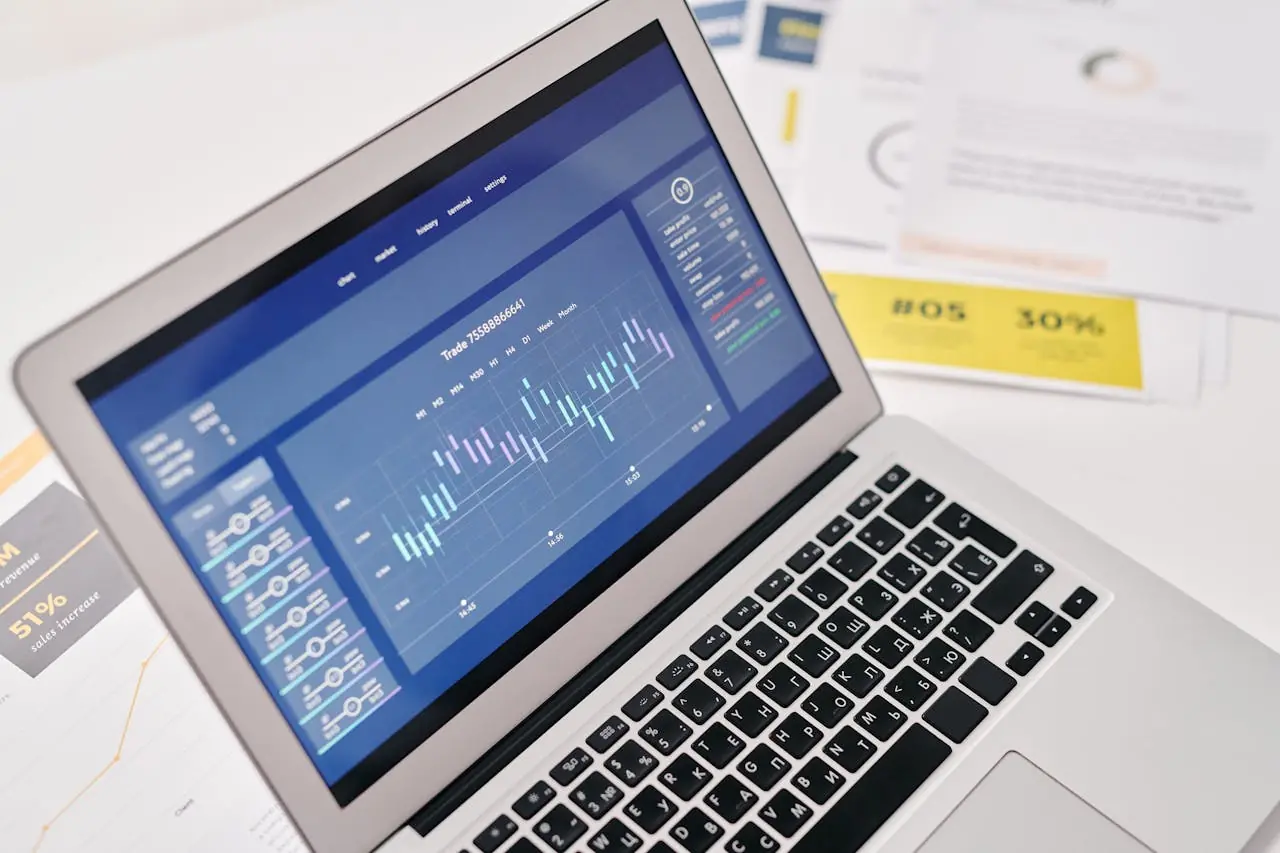
Starting a waste collection business in the UK is straightforward on paper: register your Waste Carrier Licence, buy or lease a vehicle, and start taking bookings. But most new operators quickly discover that staying compliant whilst actually growing the business creates a crushing administrative burden.
You're simultaneously learning how to price jobs correctly, manage routes efficiently, create complete Waste Transfer Notes, keep vehicle records, invoice customers properly and prepare for Digital Waste Tracking. Receiving sites in England and Wales have been in the receiving-site phase since 1 October 2026; collectors and carriers have mandatory collector reporting planned for October 2027.
This is where waste collection software for startups UK becomes essential infrastructure, not optional efficiency tooling. The right platform can save time, improve your records and help you build an audit-ready operation from your first collection onwards.
Why Startups Can't Afford to Skip Software
Many new waste collection operators assume software is "something we'll add later when we're bigger." This is a costly mistake for three reasons:
1. The compliance baseline is the same for everyone. Whether you run one van or fifty trucks, your Waste Transfer Notes must meet the same legal standards. Your Waste Carrier Licence obligations don't scale down because you're small. The Environment Agency doesn't give startups a compliance grace period.
2. Bad habits compound quickly. If you start with paper-based WTNs, Excel spreadsheets for job tracking, and manual invoicing, you'll build operational processes around those tools. Migrating later means retraining yourself, retraining any staff you've hired, and potentially losing historical records during the transition.
3. Collectors and carriers enter Digital Waste Tracking in October 2027 (planned). If you're starting your business with paper-based processes, you are creating data that will be harder to prepare for structured submission later. Starting digitally avoids a future migration.
What Startup Waste Collection Operators Actually Need
Enterprise waste management platforms are built for council contracts, complex compliance reporting, and fleet management across multiple depots. You don't need most of those features yet—and you shouldn't pay for them.
Here's what waste collection software for startups UK should deliver in year one:
Digital Waste Transfer Notes from the First Job
Every collection requires a Waste Transfer Note. Generating these digitally from day one means:
- More consistent records. The software can require the operational WTN fields your process needs before a job is closed, reducing accidental omissions.
- Faster record retrieval. If the Environment Agency requests records during a spot check, you can search digital WTNs instead of working through filing cabinets.
- Customer confidence. Professional digital WTNs sent immediately after collection signal credibility. You look like an established operator, even on week one.
PaperRoute creates digital WTNs directly from job records, with waste classification codes pre-filled and customer signatures captured in its Android and iOS driver app.
Simple Route Planning Without the Complexity
Route optimisation sounds like enterprise functionality, but even startups with five jobs a day benefit enormously from basic route planning:
- Fuel savings from day one. Running jobs in geographical order instead of booking order can save 15–20% on fuel costs. For a single van covering 150 miles per day, that's £15–£20 saved daily—£300–£400 monthly.
- More jobs per day. Eliminating backtracking lets you fit an extra collection into the same working day. That's 20+ extra jobs per month without increasing hours.
- Avoiding weight restrictions and low bridges. If you're running a 7.5-tonne truck, you need truck-safe routing that avoids residential weight limits and low railway bridges. Missing this feature costs you wasted mileage and potentially fines.
Good startup software handles route planning as part of job management, not a separate module requiring GIS expertise.
Invoicing That Doesn't Double Your Admin Time
Most new operators underestimate how much time invoicing consumes. If you're doing five collections a day and manually creating invoices in Word or a generic accounting package, you're spending 30–45 minutes daily on invoicing alone.
Waste collection software for startups UK should generate invoices automatically from completed jobs:
- Job details (waste type, quantity, collection address) pre-fill the invoice line items
- Customer contact details and payment terms come from the CRM
- Digital WTNs attach automatically as proof of service
- Invoices export directly to Sage Cloud, Xero, or QuickBooks
This cuts invoicing time from 30 minutes daily to under five minutes. Over a year, that's 150+ hours saved—enough time to run another 100 jobs.
If you work with trade customers who require self-bill invoicing (where the customer invoices you, not the reverse), your software must handle this natively. PaperRoute supports self-bill invoicing workflows without forcing you into manual reconciliation.
Mobile-First Design for Drivers Who Aren't Office Workers
You're probably spending most of your time in the vehicle, not behind a desk. Any software that requires you to return to the office to update job statuses, complete WTNs, or log vehicle checks is fundamentally broken for startups.
Your platform must work seamlessly on a phone:
- Mark jobs complete from the cab
- Generate and send WTNs on-site
- Capture customer signatures on-screen
- Upload photos of fly-tipped waste or access issues
- Log vehicle defects before leaving the yard
Equally important: the app must work offline. Mobile signal is patchy in industrial estates, rural tip sites, and some commercial premises. If your software requires constant connectivity, you'll spend half your day waiting for pages to load or manually retrying failed uploads.
PaperRoute's driver app caches all job data locally and syncs changes when signal returns. You never lose work, and you never wait for the system.
How to Choose Software When You're Pre-Revenue or Just Starting
If you're still in the planning phase or only a few weeks into trading, here's a practical decision framework:
Check your actual workflow before committing. Ask for a tailored demo using relevant examples, discuss data preparation and training, and review the subscription term and setup responsibilities before signing.
Prioritise reliable records over operational complexity. Route optimisation and GPS tracking are valuable, but digital WTNs and a clear Digital Waste Tracking submission route matter. If a platform offers advanced fleet telematics but weak WTN generation, it may be built for the wrong customer.
Check whether pricing scales with you. Ask what is included, what increases the bill and whether the agreement fits your current workload. Use the provider’s current offer when building your budget.
Avoid platforms that require IT support to set up. If onboarding involves API configuration, server setup, or "technical implementation," the platform isn't designed for startups. You should be able to add your first customer, create your first job, and generate your first WTN within 30 minutes of signing up.
Preparing for the October 2027 (planned) Collector and Carrier Phase as a Startup
Digital Waste Tracking is phased. Permitted and licensed receiving sites in England and Wales have had mandatory receipt reporting since 1 October 2026. Waste collectors, carriers, brokers and dealers have mandatory collector reporting planned for October 2027. A startup can build structured records into its workflow from the beginning.
Established operators face a painful migration from paper-based systems to digital records. You're starting digital by default.
Here is what preparation means in practice:
- Capture structured movement data. Understand the information required for your role and collect it consistently during the job workflow.
- Data must include EWC codes, SIC codes, and accurate waste descriptions. These fields are often skipped or incorrectly filled on paper WTNs. Digital systems enforce completion, reducing your audit risk.
- Confirm the submission route. Ask how your data will reach the Digital Waste Tracking service and how errors or corrections will be handled.
Starting with digital waste tracking software now gives you time to test records and train staff before the collector and carrier phase planned for October 2027.
The Hidden Cost of "We'll Just Use Spreadsheets for Now"
Excel and Google Sheets are free, flexible, and familiar. They're also a compliance liability and a growth bottleneck.
Here's what happens when startups try to run waste collection operations on spreadsheets:
Compliance gaps you don't notice until an audit. Spreadsheets don't enforce mandatory fields. You can create a row for a job without recording the EWC code, the waste quantity, or the customer's SIC code. Six months later, when the Environment Agency requests your transfer records, you discover 40% of your entries are incomplete.
No automatic WTN generation. You're either handwriting WTNs on carbon-copy pads (slow, error-prone, and non-searchable), or you're manually creating them in Word after every job (doubling your admin time).
Invoice reconciliation becomes a weekly nightmare. Jobs live in one spreadsheet, completed WTNs in another file, invoices in a third. Matching them for accurate billing requires cross-referencing three documents per job. You'll spend half a day weekly on reconciliation instead of running collections.
Lost revenue from forgotten jobs. If a customer calls to book a collection and you jot it into a spreadsheet row, there's no automatic reminder, no job scheduling workflow, and no alert if the collection date passes without completion. You'll forget jobs, miss revenue, and damage customer relationships.
Spreadsheets feel cheap initially, but the hidden cost is your time—which, as a startup founder, is your most constrained resource.
What Good Looks Like: A Day in the Life with Proper Software
Here's how waste collection software for startups UK changes daily operations:
Morning: You open the platform on your phone and see today's route pre-planned in geographical order. Five collections, total mileage 47 miles, estimated completion time 2:45pm. You run the pre-start vehicle check in the app (tyre pressures, lights, load restraints) and hit the road.
First job: You arrive at the customer site, load three bags of construction waste into the van, and mark the job complete in the app. The system auto-generates a Waste Transfer Note with the customer's details, the waste description (EWC code 17 09 04 — mixed construction waste), and the quantity (estimated 150kg). The customer signs on your phone screen. The WTN is emailed to them instantly and saved to your compliance records.
Between jobs: You stop for fuel. The app is offline-capable, so all your job data is still accessible. You check the next collection address and the system confirms it's 8 minutes away.
End of day: You mark the final job complete at 2:50pm—five minutes ahead of estimate. The platform automatically generates five invoices from today's completed jobs, attaches the corresponding WTNs, and queues them for export to your Xero account. You approve the batch in 90 seconds.
Evening: You're home by 3:30pm. All jobs are logged, all WTNs are filed, all invoices are sent. Total admin time: under 10 minutes. No paperwork, no missing documents, no follow-up tasks for tomorrow.
This isn't an aspirational future state. It's how digitally equipped startups operate from week one.
Getting Started Without Overcomplicating It
If you're launching a waste collection business in the next few months, here's a practical path to organised, reviewable operations:
-
Choose software before you register your Waste Carrier Licence. Knowing your operational system influences how you structure customer onboarding and job workflows. Starting with software prevents you building processes you'll later need to undo.
-
Run your first ten jobs through the platform, even if it feels slower initially. The learning curve is steepest on jobs 1–5. By job 10, digital workflows will be faster than paper. By job 50, you won't remember how you ever managed without it.
-
Set up accounting integration in week one, not month six. Connecting your waste collection invoicing software to Sage Cloud, Xero, or QuickBooks takes 10 minutes during setup. Delaying it means manually reconciling months of invoices later—a task that grows exponentially harder over time.
-
Treat structured records as a foundation, not a future upgrade. Starting digitally now avoids a rushed migration before the collector and carrier phase planned for October 2027.
PaperRoute is designed specifically for this workflow. Book a free PaperRoute demo, then our team will configure the full system around your operation. If you go ahead after the demo, sign the 24-month agreement before included setup and training.
Final Thoughts: Compliance Is Your Competitive Advantage
Established waste collection operators often view compliance as a cost centre—something imposed by regulators that adds administrative overhead without improving service.
As a startup, you can position compliance as a competitive differentiator:
- Instant digital WTNs signal professionalism and reliability to new customers
- Audit-ready records let you bid confidently for commercial contracts that require compliance documentation
- Digital Waste Tracking preparation becomes a selling point when competitors are still migrating from paper
Choosing the right waste collection software for startups UK isn't about buying expensive enterprise tools you don't need yet. It's about starting with strong record-keeping and operational foundations so you can grow without accumulating technical debt or administrative chaos.
Your first year in business is when you establish your operational identity. Make the workflow digital, consistent and scalable from day one, and check your legal duties independently. For guidance on training, see our guide to waste collection software training; to compare platforms before committing, read our waste collection software comparison.
Current Digital Waste Tracking context
Guidance reviewed on 9 October 2026. Phase 1 is already mandatory for in-scope permitted and licensed receiving sites in England and Wales. Receiving sites in Scotland and Northern Ireland follow on 1 January 2027. Mandatory collector use is planned for October 2027. Required WTNs and other existing documents continue alongside receiving-site reporting. Check the official rollout timetable and receiving-site guidance for the roles, scope and requirements that apply.